Web
What we do
From the wow moment of the initial home page to the finer details that create an intuitive and branded experience, our digital team will craft the perfect solution for your website.
Our web services include:
- WordPress Custom Website Development
- User Experience (UX) and User interface (UI)
- Bespoke web applications
- E-commerce websites
Winning with WordPress
WordPress is the world’s most popular software for developing websites, incredibly, it powers over 40% of all websites on the internet.
Google uses WordPress, as do many other big brands and with it’s ease of use for website administrators it’s no surprise that it is the dominant CMS loved by content authors across the globe. In the hands of a skilled development team the WordPress framework can be leveraged to do great things, conversely, poor development practices can lead to slow over-bloated sites that perform badly, often symptomatic of templated themes that have poor design and questionable security provision.
At Carbon we’ve been working with WordPress for almost two decades, we are expert developers using just the foundational cores, its CMS framework, the edit suite, structure and rock-solid coding frameworks.
We develop custom front end and back-end code to create your branded themes, templates and content modules, we use just a handful of industry standard plug-ins to develop a solution tailored perfectly for your website. The result is a high-performance website based on the WordPress framework, giving you all the control and ownership you need.
We focus our time on the important parts of the project, the public facing website design and functionality. Carbon are expert developers of WordPress based websites, we are able to develop and extend the CMS to achieve exactly what you need.
Alternatives to WordPress include Joomla, Drupal, Shopify, Wix, Squarespace, Hubspot and Craft (to name a few) but all of these are declining in market share when compared to WordPress and skilled developers can be harder to find for ongoing support. In a nutshell you can’t go wrong with WordPress in the hands of a skilled development team, go for the win with WordPress.
Considered design
Considered design, with a foundation rooted in research and rationale can be the difference between woeful website and wonderous website.
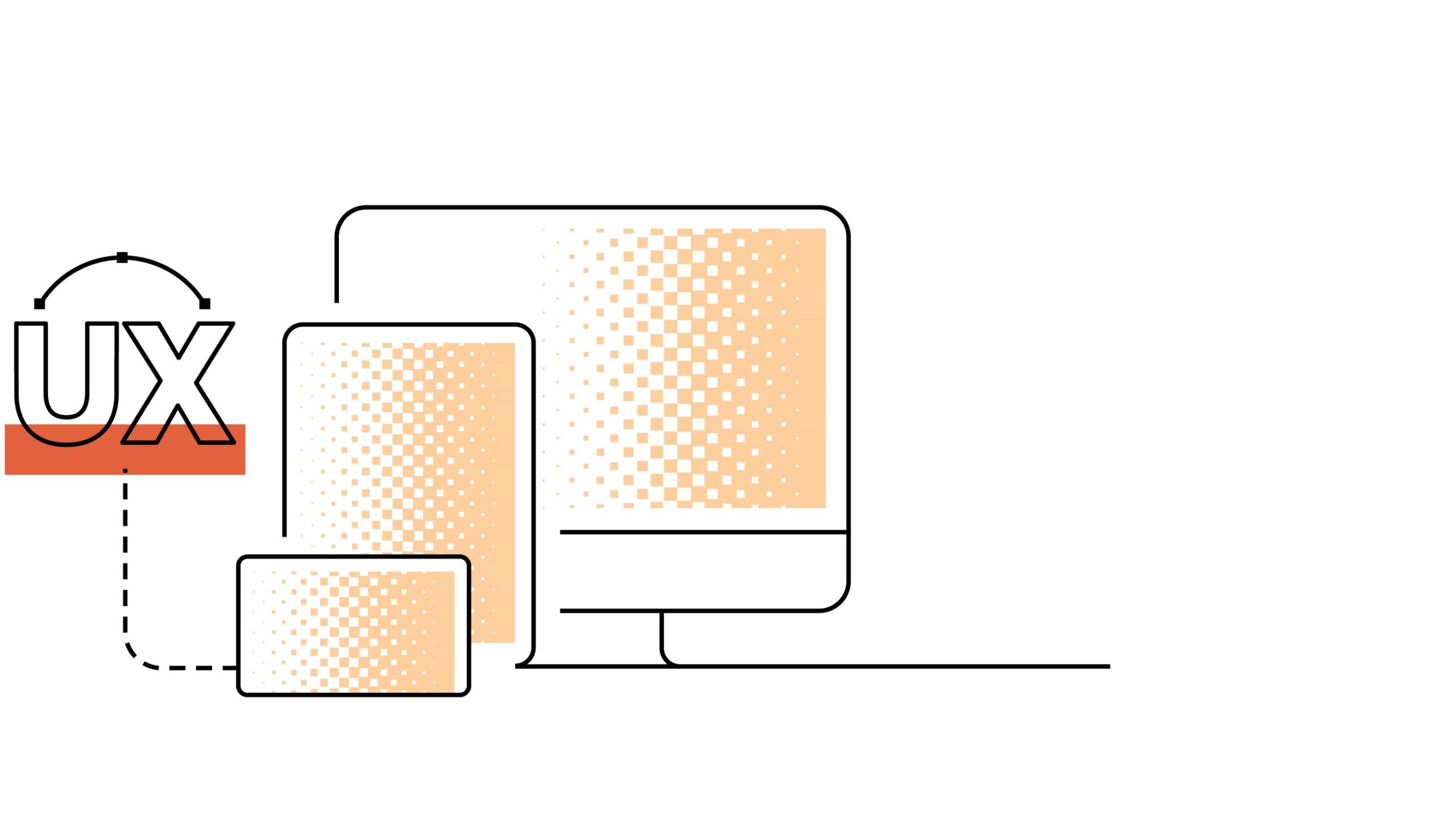
We know the user experience should be an integral part of digital design and this has become segmented into specialist disciplines. User Experience design commonly known as UX design, and User Interface design, also known as UI design. These are often terms that are used interchangeably, mainly because they are symbiotic.
UX and UI design, what’s the difference?
Consider User Experience (UX) as the skeletal structure of the website, the navigation, the overall page layouts and the positioning of important features. The UX design will focus more on the profiles and personalities of the people using the website, by using research and analytical data to understand the user journeys throughout the pages and content in order to structure the site in a way that appeals to all those users.
Complementing this is our User Interface (UI) design, which is the graphical skin, the style and tone of the website interface. It represents the subtle graphic design features that make for displaying content in a compelling way, a beautiful button design or call to action. The UI designer is responsible for understanding a brands visual identity at a deeper level, developing visual digital assets that match designs within brand guidelines, creating an interface to best enhance the user’s experience.
At Carbon we cover these design methodologies in our own web design processes of workshops, moodboards, wireframes and prototyping. Methodologies that when deployed effectively together will enhance customer satisfaction and loyalty by improving the usability of the website pages we create. Focusing on ease of use, reducing friction to find relevant content and generally making the websites we create a more pleasurable experience for the user.
Here’s how we break it down:
- Research: Workshops, user profiling, heatmaps, analytics
- Design: Wireframes, moodboards, content, page designs
- Development: Functional scope, front-end and back-end dev
- Deployment: Staging site, product testing, go-live, monitor
- Aftercare: Maintenance, security updates, bug fixing
Clarity-first framing
A strong website starts with clarity. Clarity about your audience, your objectives and the role your digital presence needs to play. From there, we apply creativity and technical expertise to build websites that communicate confidently, perform efficiently and evolve as your organisation grows.
Initial contact
Our initial contact with you would typically involve a project briefing session, either in person, video conference or simply on call. Usually a one hour commitment will allow us to get an outline view of your objectives and assess how we can help.
If we feel we have enough information to calculate the amount of time needed to meet the project goals or if we’re working to an existing budget then we may provide a written interim proposal outlining estimated fees and time to develop and go-live.
Alternatively, depending on complexity of the project we may suggest a deeper scoping session or website workshop.
Scoping Session vs Website Workshop
Websites can be complex machines, to help bring clarity we’ve developed methods and processes to better engage with you.
Scoping session – typically includes a project manager and developer from Carbon to meet with you and your teams and perform a deep dive on the brief.
Website workshop – a session that gets you and your team thinking about your user groups, their user stories and their user journeys, this is an interactive workshop that we chair and host at your preferred location. We advise a combination of people attend from junior to senior management. The workshop is visual and fun but has strong emphasis on collating important intelligence that feeds into our development process.
Project estimate, proposal and schedule
Once we’ve gathered all the intelligence we can, we’ll produce a detailed project proposal that outlines our engagement. Ideas, objectives, functional requirements and a detailed breakdown of hours required, costs, individual responsibilities and a project timeline.
The proposal is the first stage in our project charter. Once commissioned to start, we convert these into workstreams and milestones that form the schedule of works.
Collaboration and tools
Every project is assigned an account project manager who remains your central point of contact throughout the project development lifecycle.
To maintain collective responsibility and our duty of care we utilise a number of digital tools that help you collaborate, track progress and remain informed. We create login accounts on these systems allowing all individuals involved to login. These tools assist in collating content and ensuring everything, messages and assets are stored in one place.
Strategic and advisory
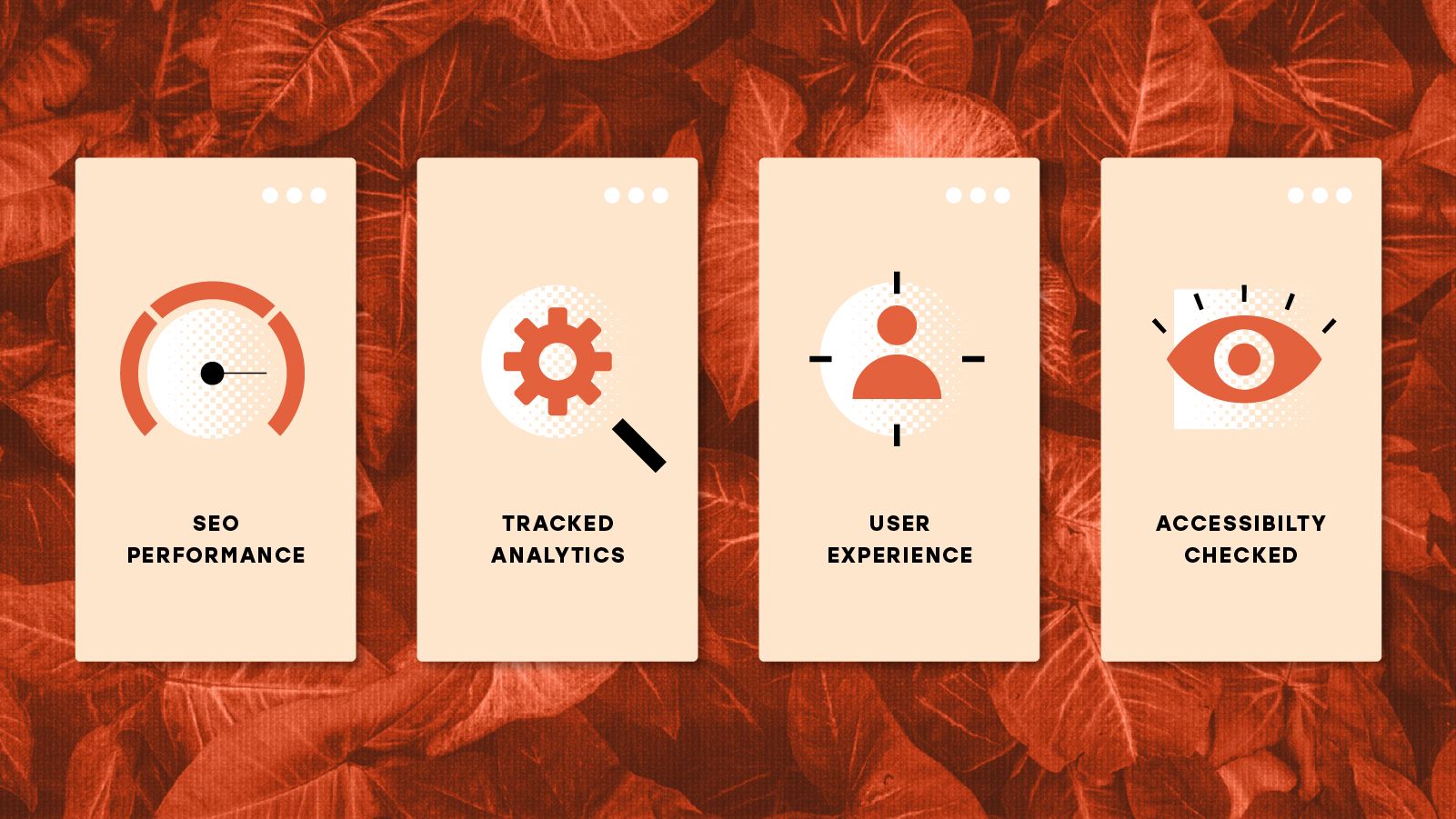
Our approach to web is collaborative and considered. We begin by understanding your users, your organisation and the wider context you operate in. This insight shapes everything that follows from information architecture and content strategy to design systems and technical decisions — ensuring the final site is purposeful, accessible and resilient.
Designed to perform
The result is a website that supports your organisation now and into the future. It is clear in purpose, easy for users to navigate and built on a flexible, robust foundation. Every element is shaped by strategic thinking and responsible design choices. It balances performance, usability and responsibility without compromise, designed to evolve with your priorities and continue delivering value as your organisation grows.
Let’s grab a brew and chat web
We’d love to get to know a bit more about your online objectives, it’s something we could chat all day about so don’t be shy, reach out and discover how we can help…