
What affects the cost of a rebrand, and how should you scope the work?
You need a rebrand budget for the next board meeting. One proposal covers a logo and guidelines. Another includes audience research, positioning, messaging and a website. The totals differ, and the comparison tells you very little until you understand the work behind them.
Rebrand cost depends on the decisions you need help making, the assets you need to deliver and the complexity of putting them into use. A useful estimate makes those assumptions visible. It gives you a basis for choosing where to invest and what can wait.
Start with the problem you are paying to solve
Write a short account of why the current brand is holding you back. Perhaps buyers misunderstand your offer, a merger has left overlapping identities, or an established organisation has outgrown its original positioning. These situations need different responses.
Bring what you already know: customer questions, lost opportunities, audience research and examples of inconsistent communication. An agency can then distinguish useful evidence from questions that still need investigation. Unresolved strategy affects the design brief, so discovering it halfway through production usually changes the work required.
Our brand services connect strategic definition with visual identity. Agreeing which parts you need helps establish a scope that addresses the underlying challenge.
Understand the main cost drivers
Research and agreement
The number of audiences, markets and decision makers influences how much discovery is useful. Existing evidence may provide a strong starting point. Conflicting views may require interviews or a workshop before you can agree the direction. Specify who needs to contribute and who can approve the result.
The identity and its applications
Naming, positioning, tone of voice, visual identity and a set of templates are separate pieces of work. A logo has to function within the places people will encounter it. List those applications, from a small social avatar to signage, rather than leaving everything inside the phrase full rebrand.
Content, digital and rollout
A refreshed identity may reveal a need for new photography, rewritten service pages or changes to a website. Record these dependencies early. Include the practical work of updating priority materials, checking supplier specifications and helping staff use the new assets. Existing stock and useful materials also deserve a considered transition plan.
Ask each agency to identify costs quoted separately, such as photography, printing, font licences or specialist advice. Check which party commissions them and whether they depend on approval of the creative. Your internal team’s content and rollout time also belongs in the plan.
Review and change
Feedback takes time to interpret and implement. Agree review stages, one route for consolidated comments and the decisions each stage settles. Ask how a new audience, deliverable or direction would affect the estimate. That conversation makes the budget easier for everyone to manage.
Use this scope comparison worksheet
Create one row for each proposal and answer the following questions in the same order. Send any missing answers back to the agency before comparing totals.
- Decision: what business or audience problem will this scope resolve, and what evidence will inform it
- Deliverables: which strategy, identity, copy and application files are included? Specify quantities, formats and languages where relevant.
- Dependencies: who provides photography, approved copy, technical access and any specialist checks?
- Approval: who contributes, who decides and how many review stages are included?
- Rollout: which touchpoints must change together, and which can move into a later phase?
- Commercial basis: what is included in the fee, what sits outside it, and how are additions agreed?
- Ownership and use: what files, licences, guidance and handover will your team receive?
Once you have comparable answers, consider what happens if you remove an element. Removing audience research is sensible when reliable research already exists. Removing it while the audience remains disputed leaves the same decision unresolved.
Phase the work around a usable outcome
A phase should leave your organisation with something coherent it can use. One route might establish positioning and the core identity before applying it to priority communications. Another might connect brand and website work because the digital journey is central to the problem. These are scope choices to discuss, rather than standard packages.
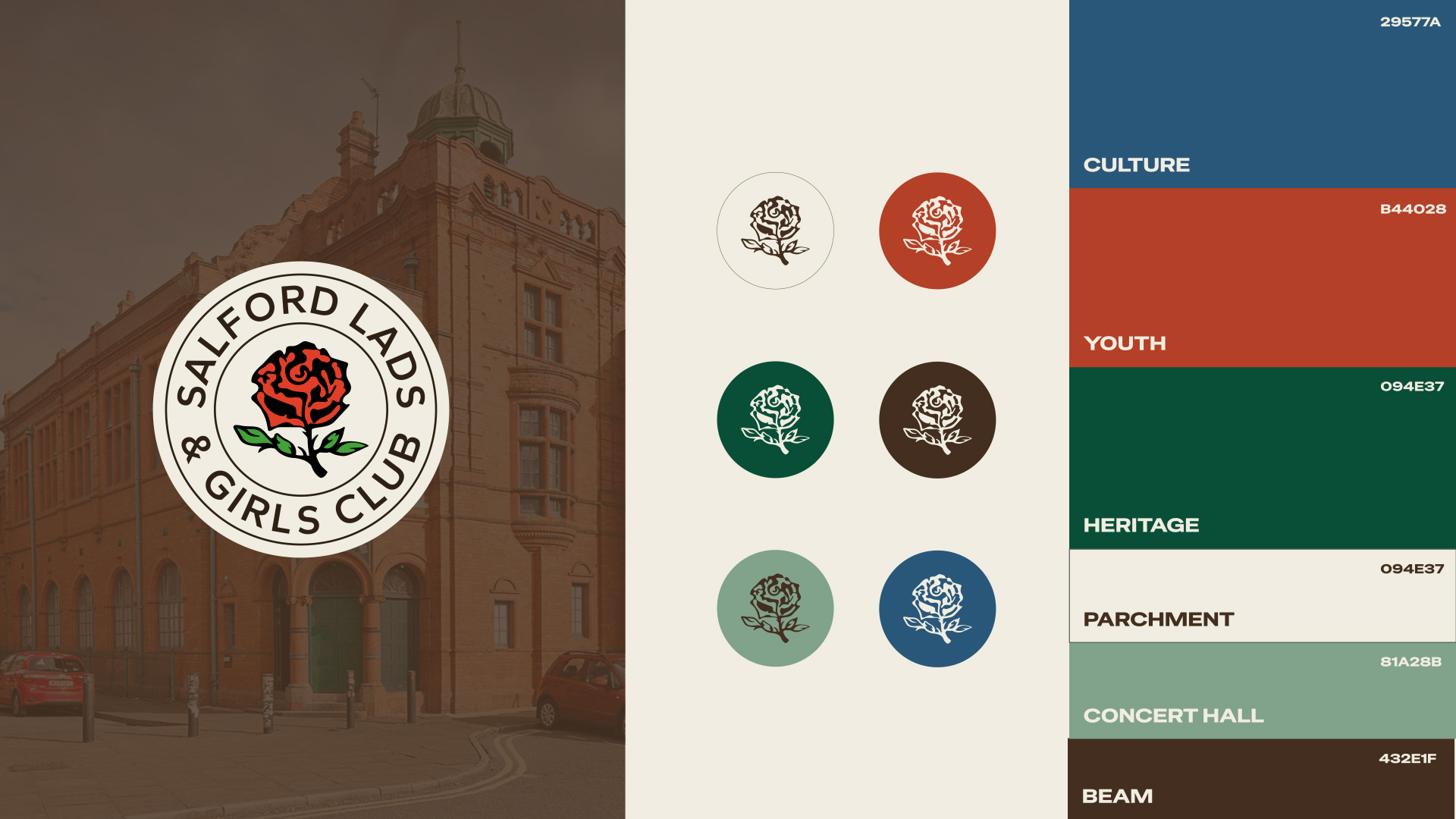
Our Salford Lads & Girls Club project shows the value of selective change. We retained recognisable rose and arch elements while refining the identity and creating clearer routes through its varied offer. Respecting existing recognition helped define where the creative effort belonged.
Bring your priorities, the materials you currently use and the decisions you are finding difficult. We can explore the scope together and identify the questions a useful estimate needs to answer.